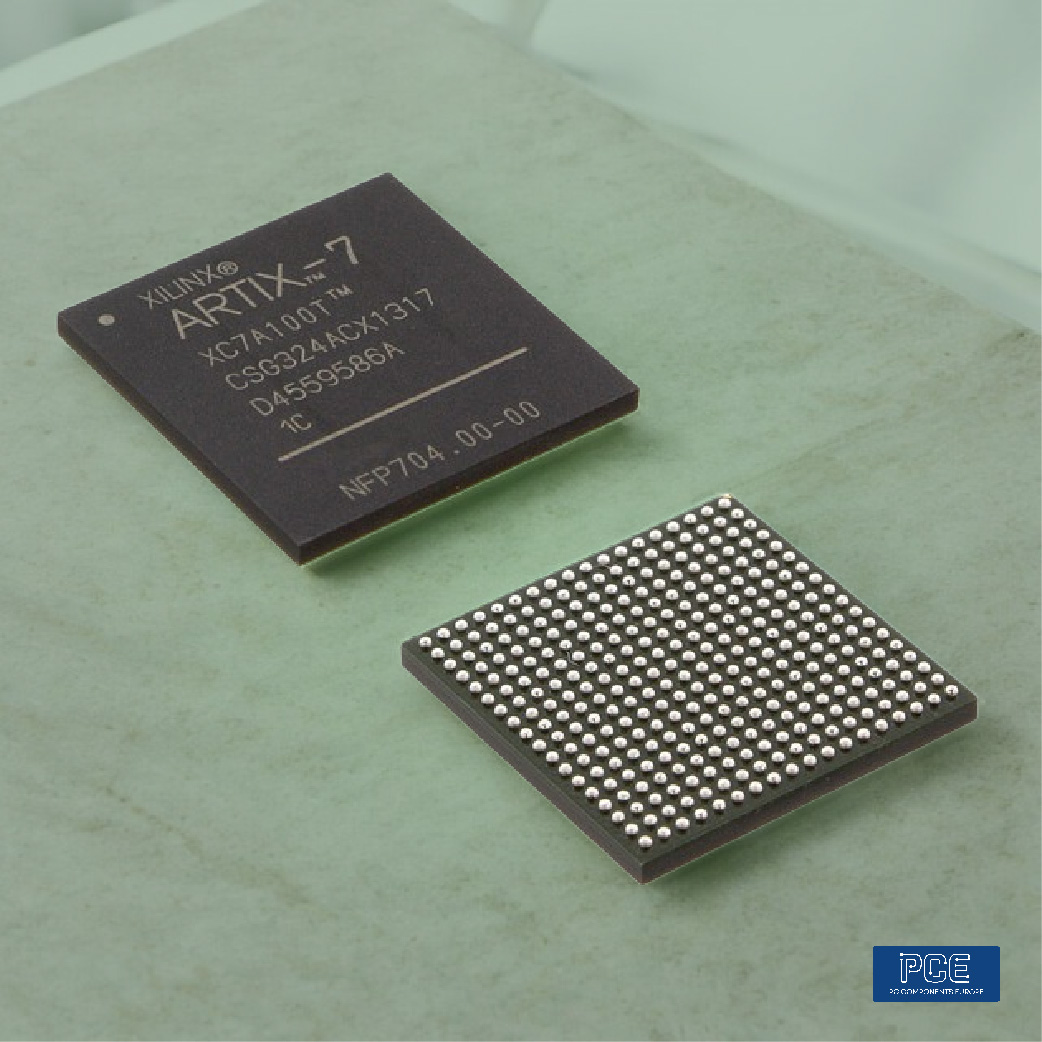
Ensuring rigorous electronics quality control is at the heart of our mission at PC Components Europe (PCE). Our quality control department , recognized by engineers as one of the best in the industry, is equipped with cutting-edge technology. This allows us to provide high-quality components to our customers and support the training of future engineers .
In today's post, we'll walk you through our in-house quality control lab step-by-step. We'll also explain what quality control is and why it's so important to us and our customers.
Read on to find out why we are proud of our quality laboratory at PCE!
What is a quality department in the electronic and electromechanical components industry?
The quality department of a company specializing in electronic and electromechanical products ensures that all items meet or exceed established quality, reliability, and performance standards.
This ensures high company reliability, ensures compliance with regulatory requirements, and improves overall customer satisfaction.
Key responsibilities include implementing quality assurance policies, conducting audits, performing inspections and testing, managing supplier quality, continuous improvement, and maintaining proper records and documentation.
The Importance of Electronic Quality Control
In the components industry, quality control is crucial for many reasons. The reliability, performance, and safety of electronic and electromechanical systems depend heavily on the quality of the components used.
High-quality components reduce the risk of system failure, maintenance costs and potential safety hazards, which are key issues in industries such as aerospace, automotive, medical and consumer electronics.
They are also essential to the reliability, performance, and longevity of electronic and electromechanical systems.
Poor quality parts can lead to system failure, increased maintenance costs and potential safety hazards, which is why quality control is at the heart of what we do at PCE.
We ensure that every component meets rigorous standards before reaching your projects. From rigorous supplier vetting to in-house testing, we leave no room for compromise. Our goal is to ensure that devices are reliable, safe, and perform as intended.
The PCE Quality Department
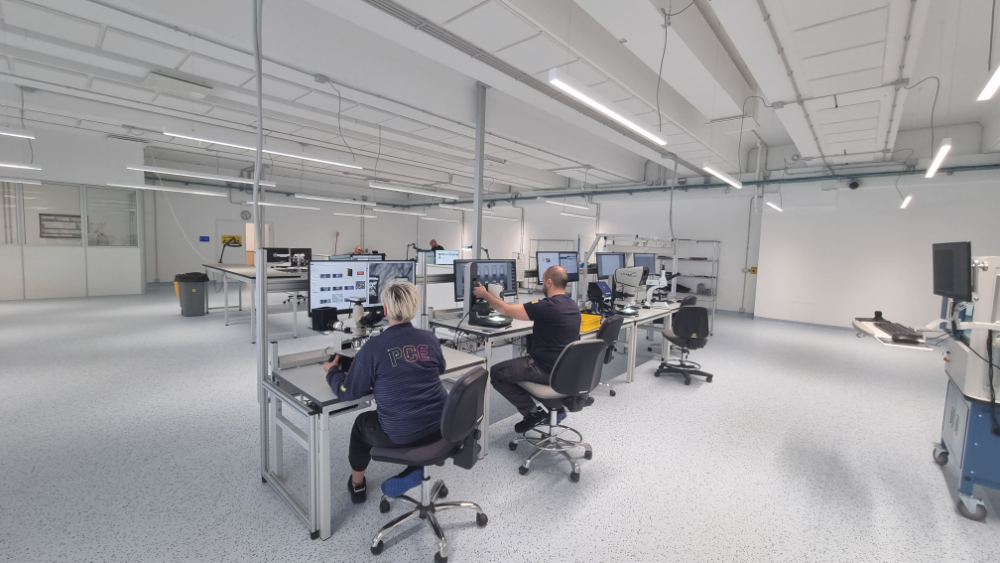
Our quality department plays a key role in ensuring that each component meets rigorous standards. The processes involve several key steps. We conduct comprehensive tests to verify the electrical characteristics and physical integrity of each component.
We ensure you receive genuine, high-performance parts, reducing the risk of counterfeit products entering your supply chain.
Additionally, our stringent quality controls are designed to meet and exceed international standards, such as inspections according to the IDEA-STD-1010B inspection standard, which recognizes our quality-oriented business practices and operational excellence.
We are also certified according to ANSI – ESD S20.20, ensuring the protection of electronic components from electrostatic charges, and AS9120B, the aerospace standard for component distributors.
Furthermore, our affiliations with IDEA, ERAI, and Assodel, as well as our Legal Rating and training certifications, underscore our commitment to the highest levels of quality and reliability in the industry.
For more detailed information, please visit the PCE certifications section on our website.
This is how we work at the PCE Quality Lab: Step by step
At PCE, we have implemented the IDEA STD-1010-B standard, recognized globally as the leading standard for incoming inspections in the electronics industry. Click here to view the PCE checklist for all incoming parts.
Step 1: Receiving Components from Suppliers
Upon receiving the components from our trusted suppliers, we begin the quality control process. Our team enters the lab wearing antistatic clothing and shoes.
Step 2: Careful Opening and Initial Testing
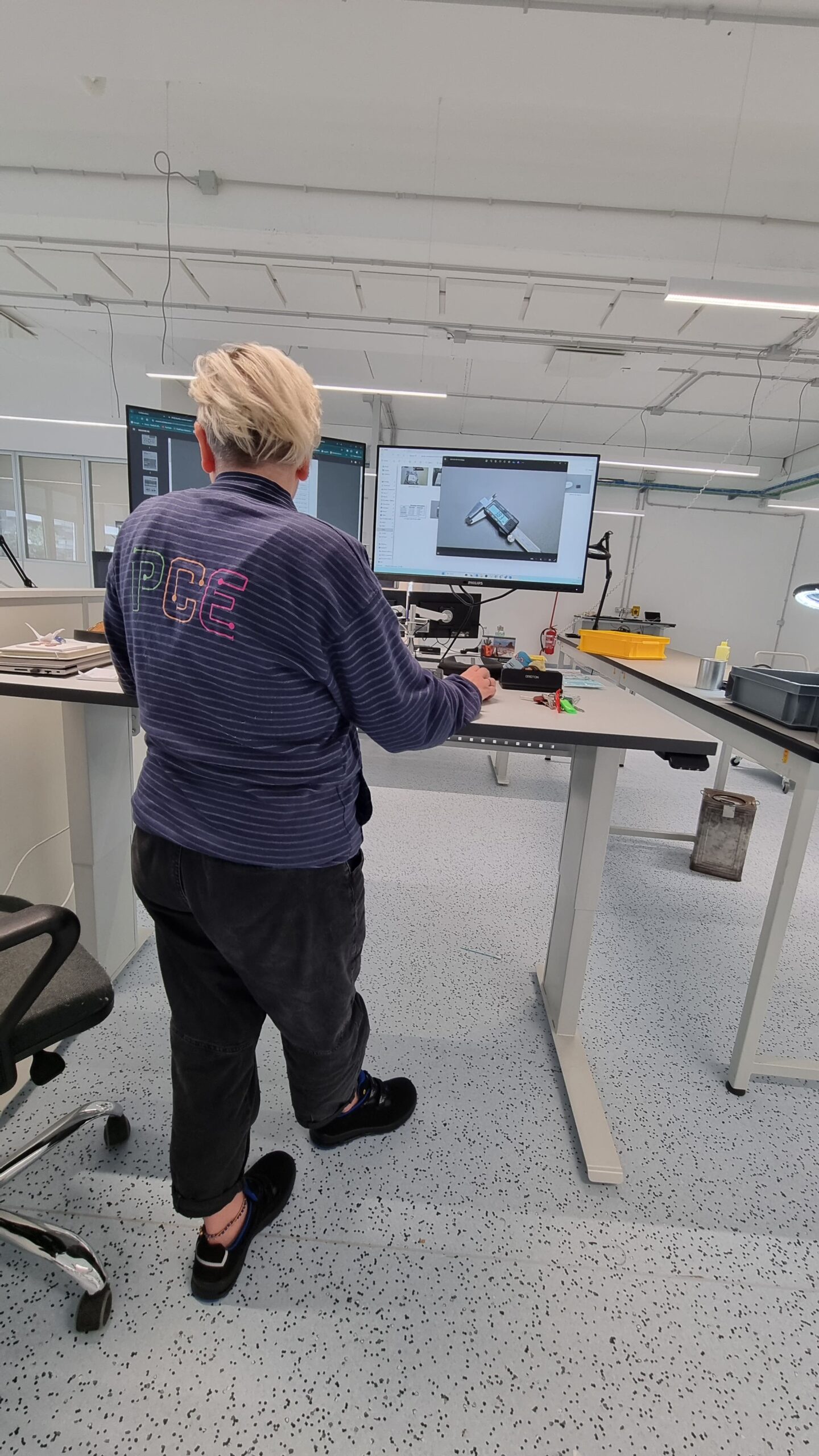

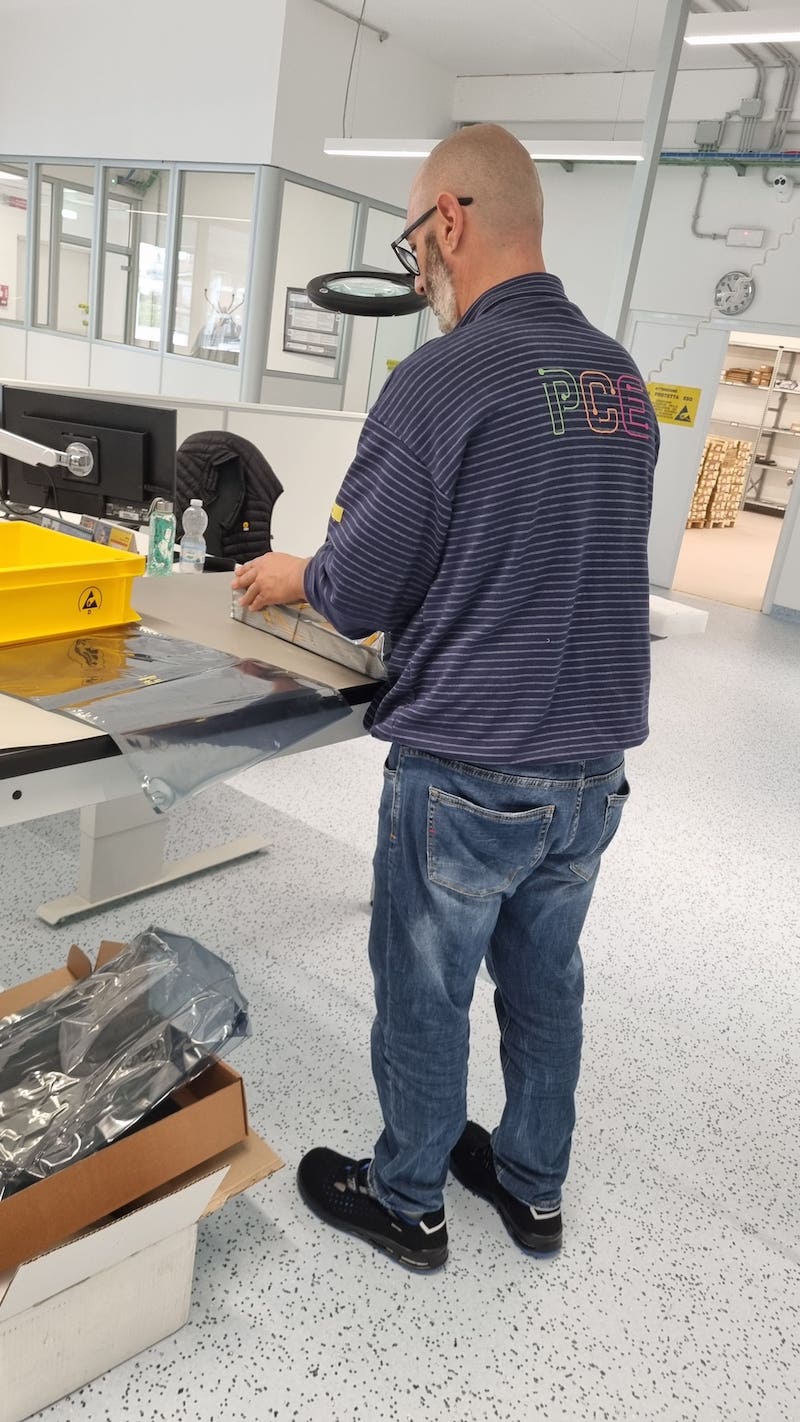

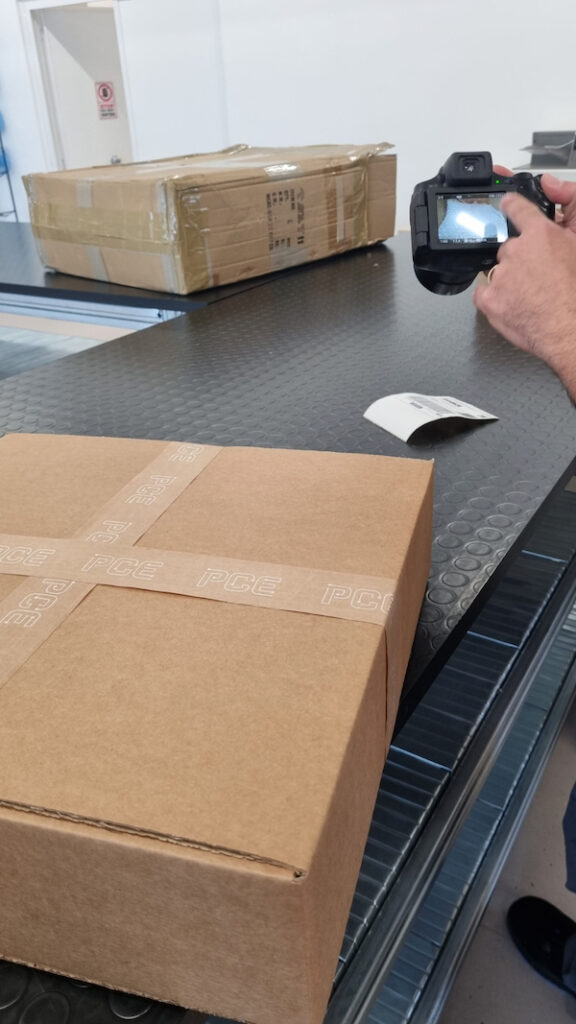
We carefully open the package, examining every detail. The first step of the inspection verifies that the documentation, labels, quantity, part number, and part type provided with the shipment match the purchase order. This step also includes recording the packaging type, its condition, country of origin (COO), date code, and MSL level.
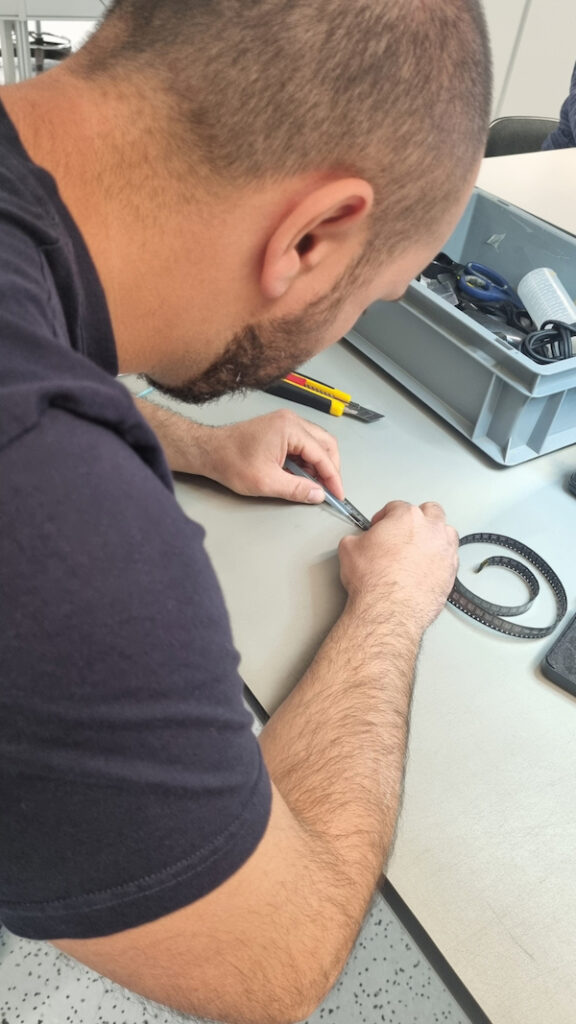
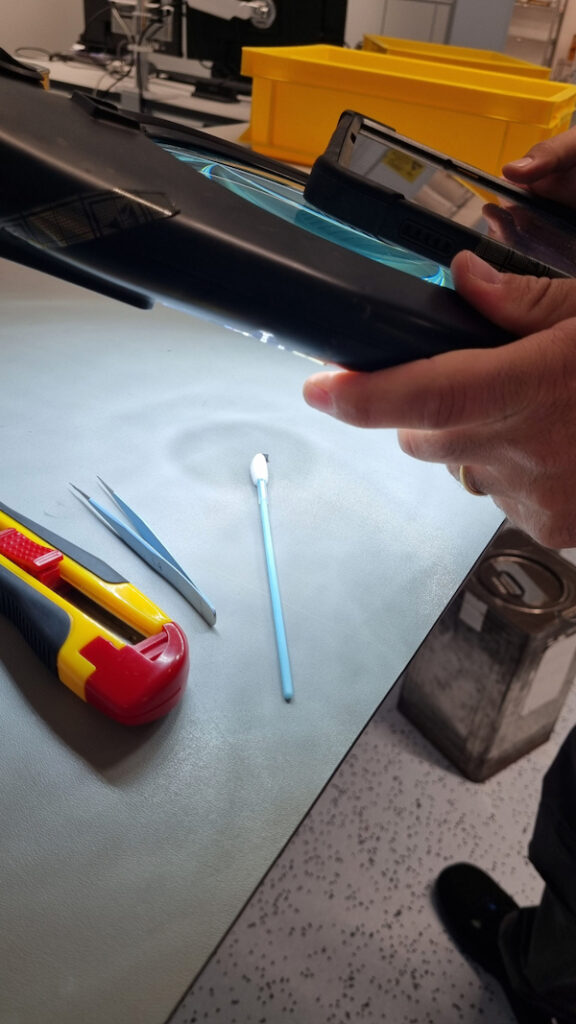
Our quality department takes photos at every stage: upon receipt of the shipment, during quality inspection, and again upon outgoing shipment. Our archives date back to 2008, and a QC report can be provided upon request at any time.
Step 3: Counting Parts and Checking Quantity
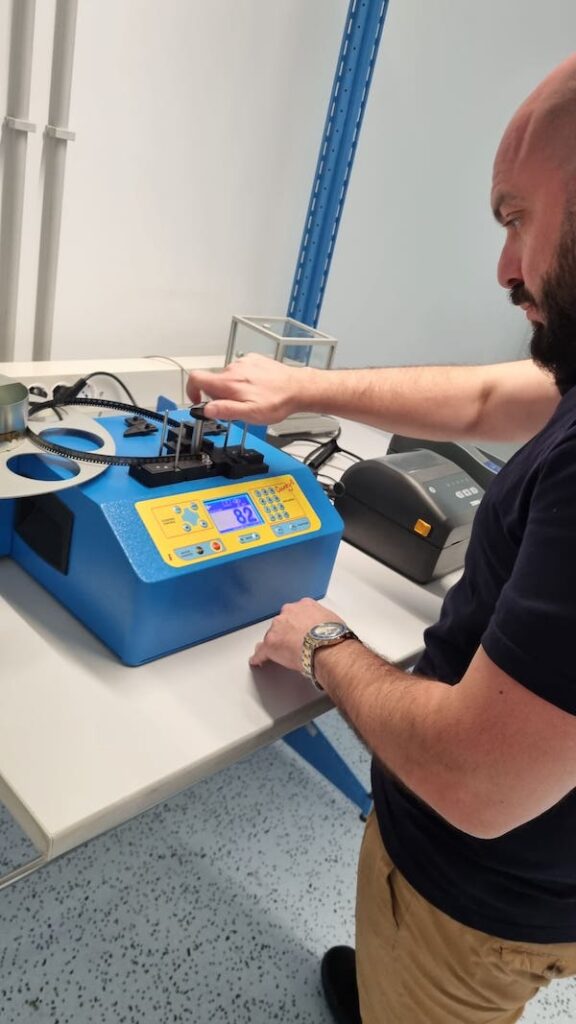
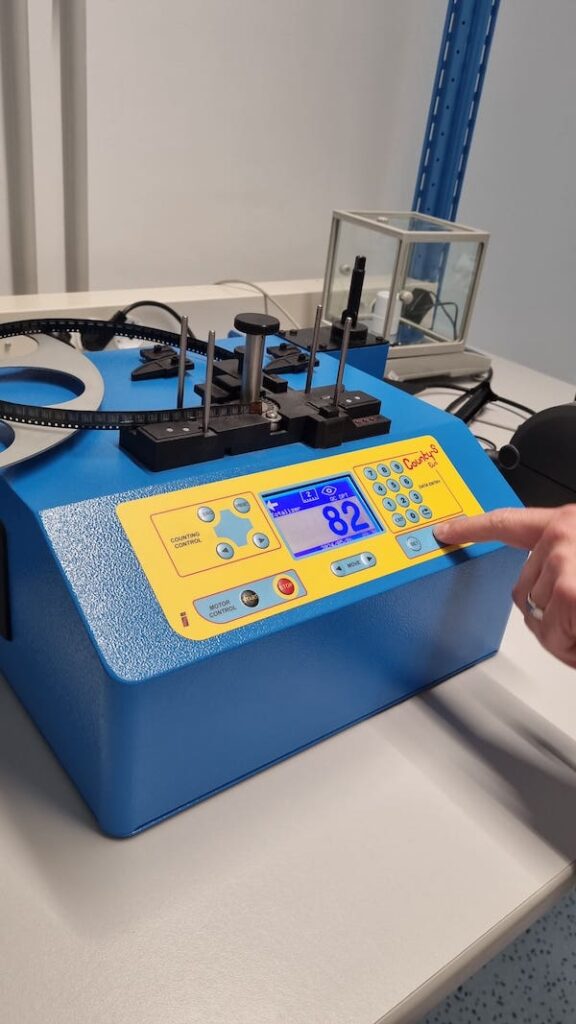
Accurate counting ensures accuracy in inventory management. We use a reel-to-reel counting machine to verify part quantities as they arrive in tape. Careful visual inspections and pen counters are used for smaller tape quantities, trays, bulk quantities, and all other types of packaging.
Step 4: Advanced Visual Inspection
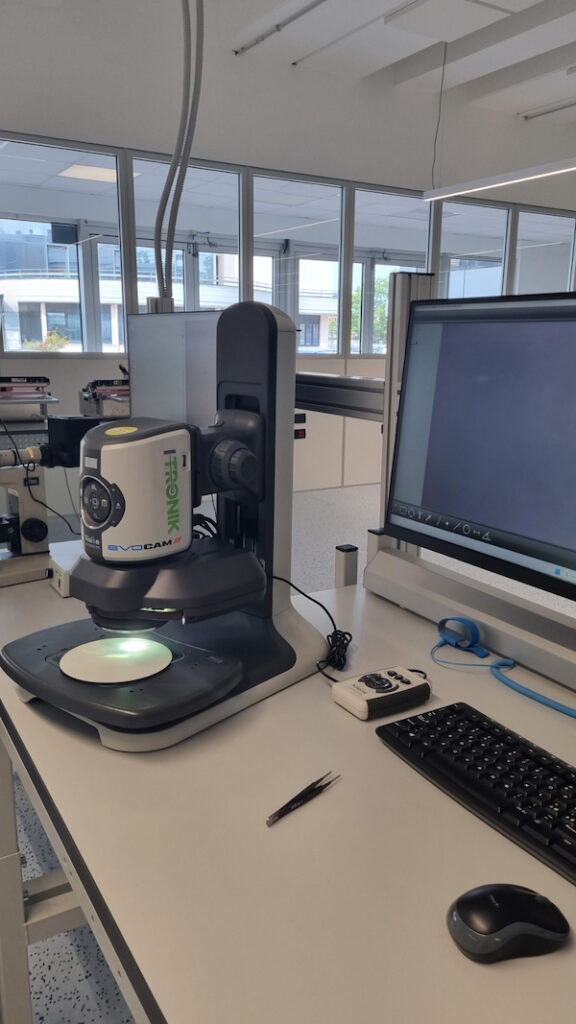
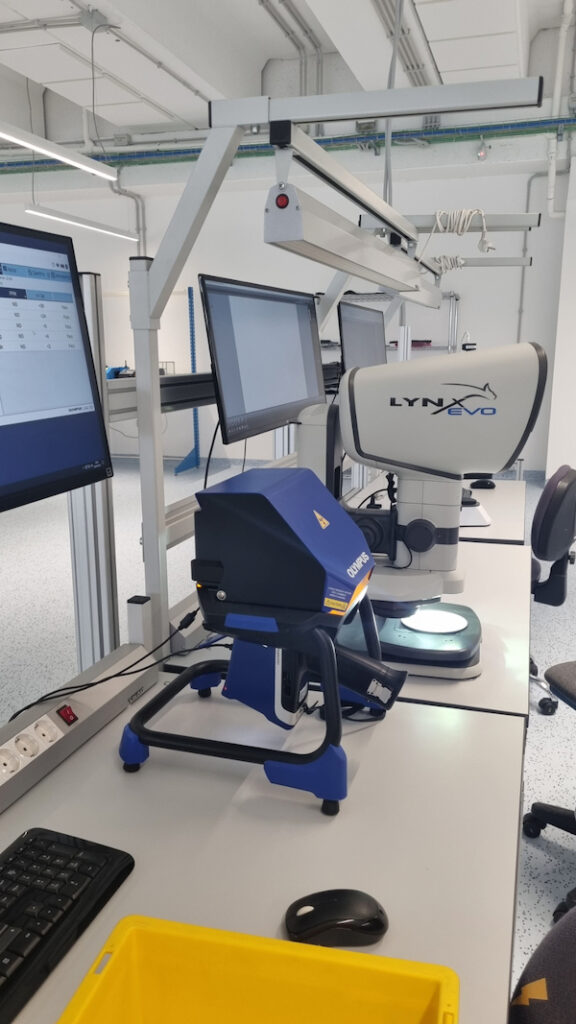
Our high-resolution microscopes allow us to distinguish new, used, and potentially counterfeit components.
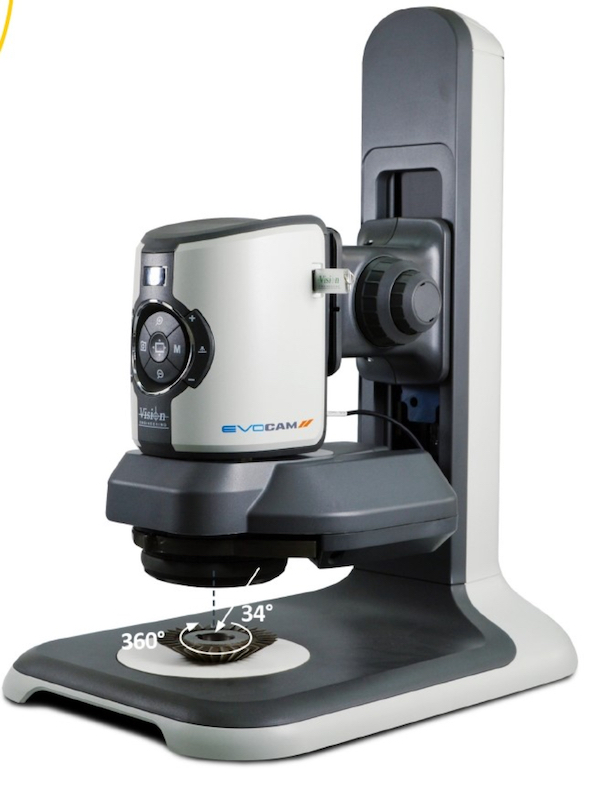
Excellent optical performance makes the EVO Cam II a powerful imaging solution, with a range of options to ensure exceptional clarity for any application. The intuitive design simplifies operation and minimizes training requirements, making the EVO Cam II a powerful and flexible tool, ideal for a variety of applications, users, and environments.
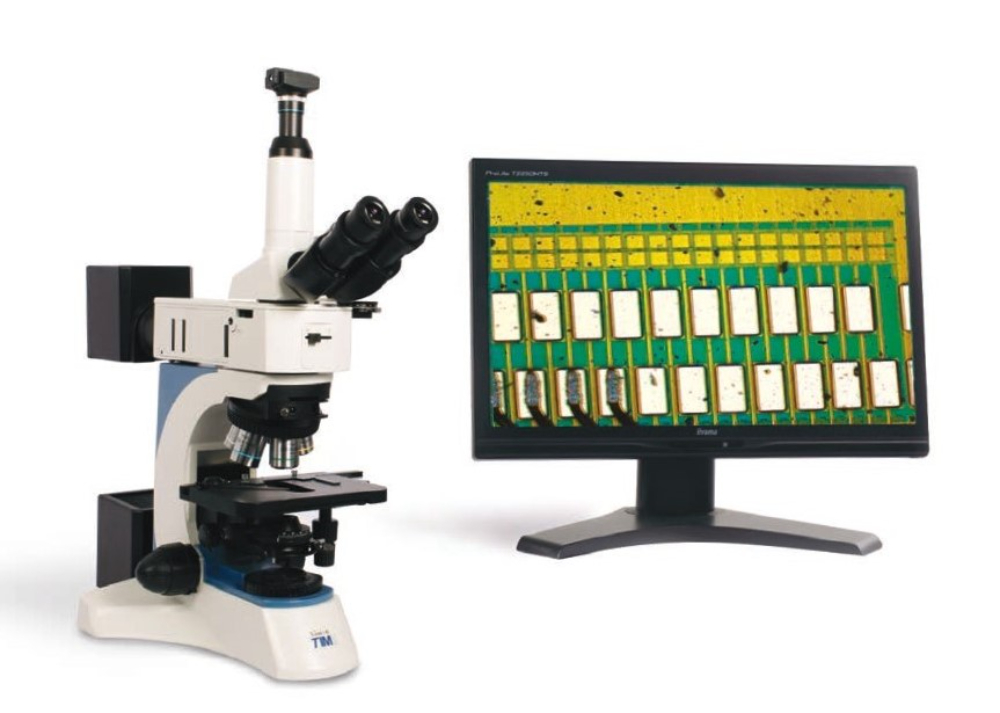
Whether you want to inspect alloys, plastics, ceramics or other materials, the TIM5 enables both novice and experienced users to obtain detailed analyses of a wide range of materials.
Our trained technicians, certified by the Independent Distributors of Electronics Association (IDEA), conduct thorough inspections.
Step 5: X-ray Examination with Cutting-Edge Technology, X-Ray Spectroscopy and XRF
Our commitment to quality extends to cutting-edge technology.
X-ray spectroscopy and XRF (X-ray fluorescence) provide greater detail and information about the integrity of the component. X-ray examination allows us to visualize the internal construction of a part. This allows us to detect broken or missing connecting wires.

At PCE we have the new generation of Vanta portable XRF analyzers that combine exceptional accuracy with speed and durability.
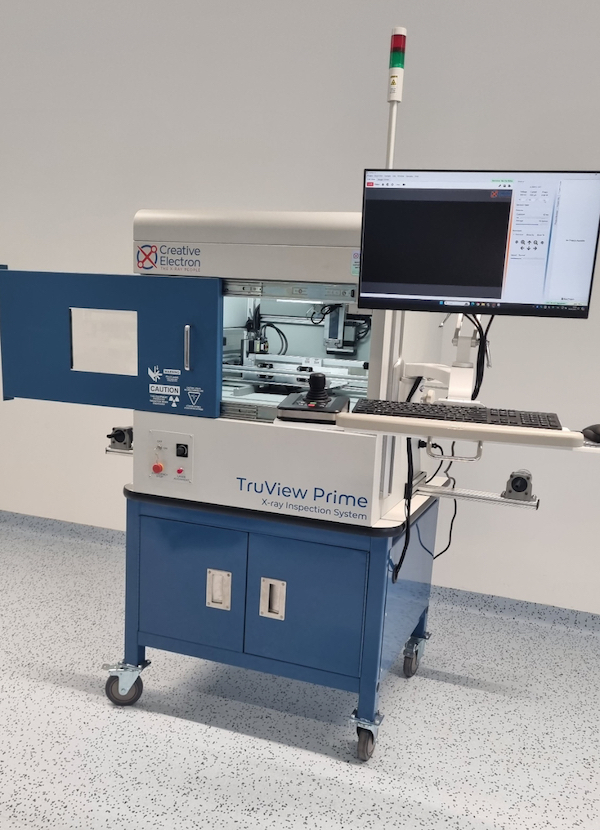
We also use TruView™ Prime which offers exceptional image quality and full automation.
We can verify the existence of a die where applicable. X-ray imaging also allows us to compare parts between different batches, with a known gold sample, or with other previous photos in our archive.
XRF analysis is a non-destructive method of elemental analysis used to detect the presence of certain elements/compounds and measure their thresholds for compliance with manufacturer specifications and environmental legislation such as Reach and RoHS.
High-powered, full HD stereo digital and metallurgical microscopes allow our IDEA-qualified inspectors to study component surfaces, pin condition, and markings.
Our inspectors grade parts as Pass, Fail, or Inconclusive and are diligent detectives when it comes to researching spec sheets, comparing parts, labels, and documentation to confirm that the parts we supply are original, new, and unused.
Step 6: Anti-Static Packaging and Logistics
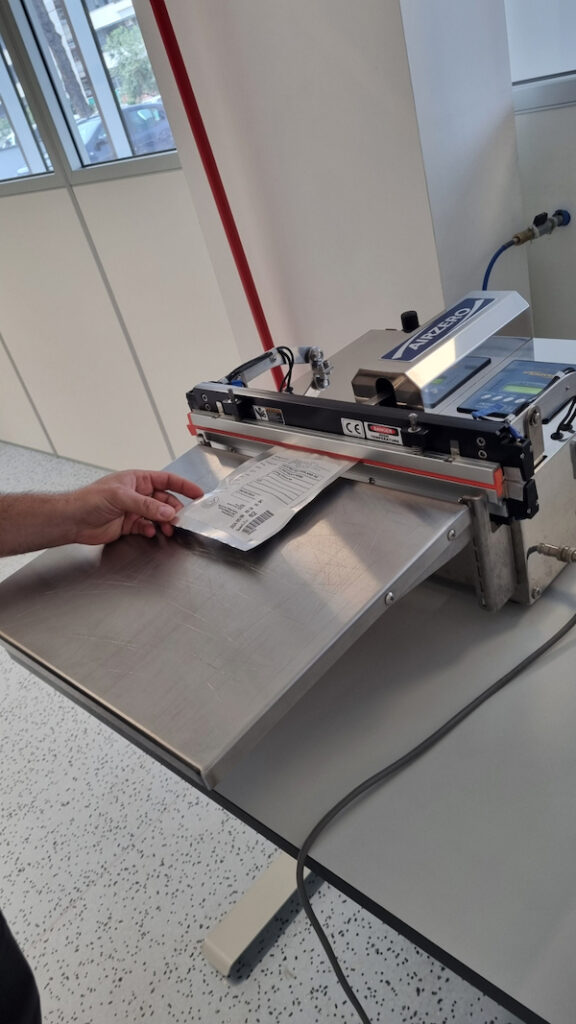
Components are carefully repackaged in anti-static bags and/or moisture-sensitive barriers according to their MSL level and following Jedec standards.
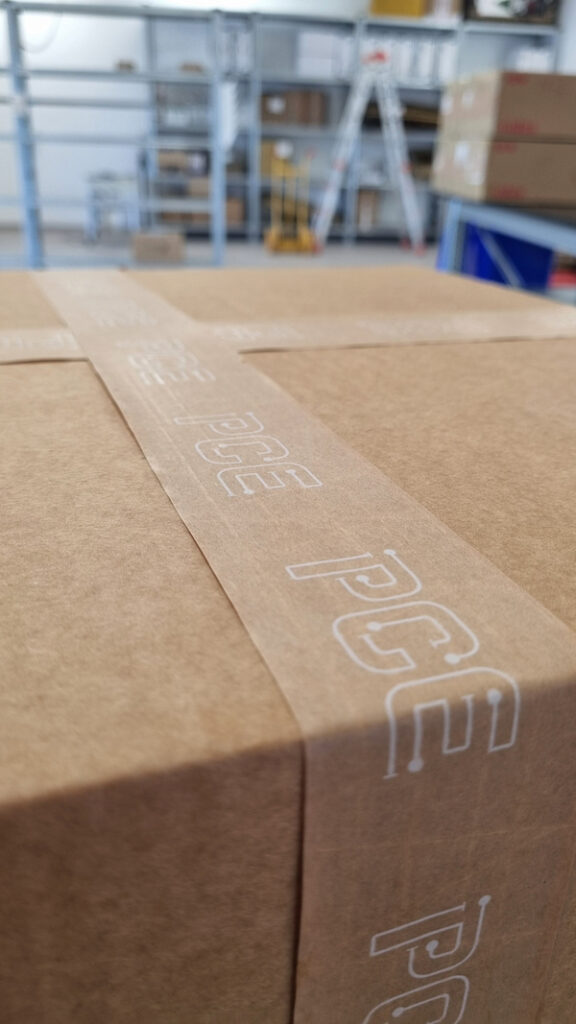
They then pass to our logistics department for careful packaging and shipping.
Benefits of Quality Control in the Component Industry
These advantages are just some of the reasons why electronic quality control is central to our mission at PCE.
-
- Increased Reliability and Performance: Ensures components meet rigorous standards, leading to increased reliability and performance in the final product.
-
- Improved Safety: Reduces the risk of component failures that could lead to safety hazards, particularly critical in industries such as aerospace and medical devices.
-
- Increased Customer Confidence and Satisfaction: Providing high-quality components increases customer confidence and satisfaction, fostering repeat business and a positive reputation.
-
- Cost Savings: Prevent costly rework, repairs, and returns by catching defects early in the manufacturing process.
-
- Regulatory Compliance: Ensures adherence to international and industry-specific standards, facilitating market entry and regulatory approvals.
-
- Recordkeeping and Traceability: Provides detailed records and photos of the history of each component, ensuring transparency and accountability in the supply chain.
-
- Counterfeit Detection: Rigorous quality control processes help detect and eliminate counterfeit components, protecting the integrity of the supply chain.
-
- Supplier Improvement: High standards encourage suppliers to improve their processes, fostering stronger, more reliable partnerships.
-
- Innovation and Process Improvement: Continuous quality assessments drive innovation and improvements in manufacturing processes and product designs.
-
- Durability and Longevity: High-quality components contribute to the durability and longevity of the final product, increasing its overall value.
"Our commitment to electronics quality control defines us at PC Components Europe. It's not just a box to tick; it's the heart of our operations, driving innovation, reliability, and customer satisfaction."
– Annie, Founder of PC Components Europe
When you choose PC Components Europe, you're not just buying components, you're investing in peace of mind.
Our unwavering dedication to quality means you can trust our parts to deliver exceptional performance, enabling your projects to succeed and innovate seamlessly.
Discover the difference careful quality control makes: choose PC Components Europe for your electronic and electromechanical needs.
Want to know more about our Quality Department?
Book a visit and find out more about PC Components Europe's in-house laboratory!
We will be happy to assist you in a personalized way!
Contact PC Components Europe:
Telephone: +39.06.7696.8780
Address: Via Orazio Raimondo, 47 Rome 00173 Italy
Follow us on social media: LinkedIn