
PCE PC Components Europe
  • Home
  • Who we are
  • Products
  • Services
  • Quality
    • Quality control
    • Certifications and attestations
  • Blog
  • Contacts
    • Discover the team
    • Our contacts
Menu
  • Home
  • Who we are
  • Products
  • Services
  • Quality
    • Quality control
    • Certifications and attestations
  • Blog
  • Contacts
    • Discover the team
    • Our contacts

FIND YOUR COMPONENTS

Tag: Component Distributors

Industry News
Jasmine May 15, 2024 0 Comments
0 Views

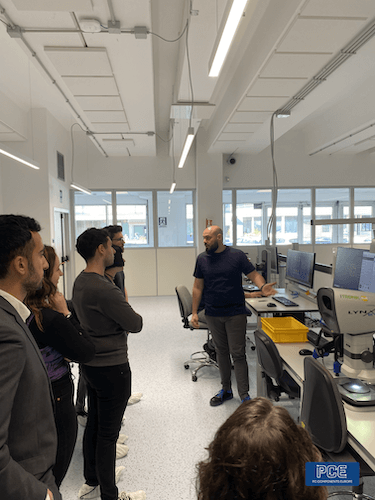
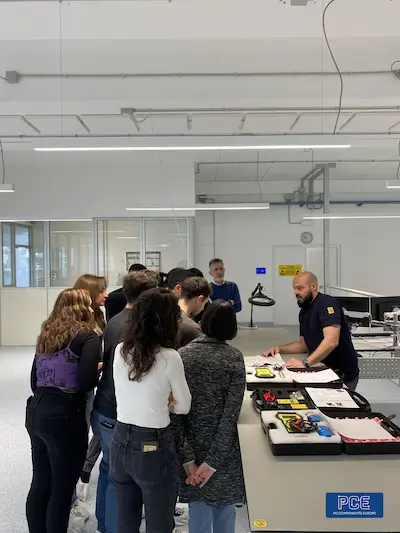
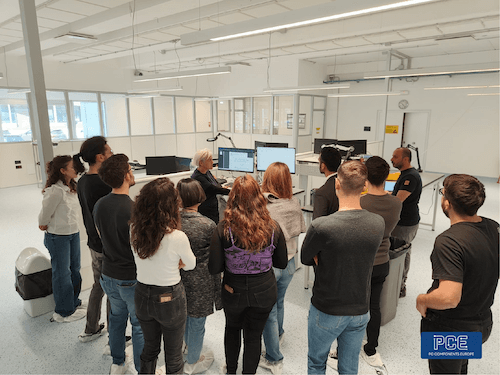
A day at the PCE Quality Department with the University of Tor Vergata

Today we're happy to share news about the University of Tor Vergata ! Last month, on April 18th, PCE hosted more than 20 students from the University of Tor Vergata, majoring in electronics. Our new facility, located at Via Orazio Raimondo 47, borders this leading university in Rome. Together with Professor Marcello Salmeri of the Department of Electronic Engineering, PCE and Tor Vergata are collaborating effectively. Professor Salmeri specifically teaches Electrical and Electronic Measurements.

The following PCE IDEA Certified Inspectors were present and provided a demonstration to the students of the University of Tor Vergata:

Aliette Roux

Simone Bellini

Maurizio D'Andrea

The goal was to show students how their field of study can be applied to the job market. 

We walked the students through our quality control procedures, sharing our knowledge. We also focused on illustrating ESD measures and laboratory requirements, explaining how to properly and safely handle parts. Our ESD control program allowed us to achieve this goal. This ESD program was developed to comply with ANSI/ESD S20.20-2021 requirements.

What is the ESD Program?

An ESD Control Program , or Electrostatic Discharge Control Program, is a set of procedures and protocols designed to prevent damage to sensitive electronic components caused by electrostatic discharge (ESD). ESD occurs when two objects with different electrical potentials come into contact, causing a sudden flow of electricity between them. This discharge can damage electronic devices, especially those with integrated circuits or other sensitive components. An ESD Control Program typically includes:

  • Provide training and education to staff on ESD awareness, prevention, and management procedures.
  • Establish methods to ensure that ESD control measures are implemented effectively and in accordance with standards.
  • Implement grounding systems to ensure that personnel, equipment, and surfaces are at the same electrical potential to prevent ESD.
  • Designate specific areas where sensitive electronic components are handled, stored, or processed. EPAs are equipped with measures to minimize the buildup and discharge of static electricity.
  • Use appropriate packaging materials and techniques to protect electronic components from ESD during transportation and storage.
  • Clearly identify ESD-sensitive components and materials with appropriate labels or markings.
  • Maintain records of training, audits, inspections, equipment calibration, and any ESD-related damage or non-compliance incidents.

“The ESD Control Program aims to mitigate the risk of ESD-related failures in electronic devices, ensuring product quality, reliability, and performance.” PC Components Europe.

We are grateful for the University of Tor Vergata's to our PCE Quality Department . We look forward to welcoming you back!

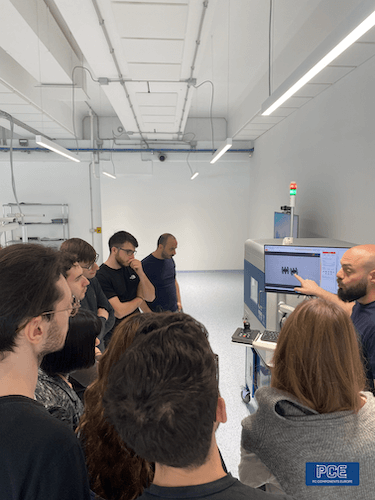
Tor Vergata University students under the microscope in the PC Components Europe quality control laboratory
A certified PCE inspector with students from the University of Tor Vergata in the PC Components Europe quality laboratory
PCE certified inspector with students from the University of Tor Vergata in the PC Components Europe quality laboratory
A certified PCE inspector with students from the University of Tor Vergata in the PC Components Europe quality laboratory
A PCE certified inspector shows students from the University of Tor Vergata the PC Components Europe quality laboratory
READ MORE
Components Resources
pcesrldev April 17, 2024 0 Comments
0 Views

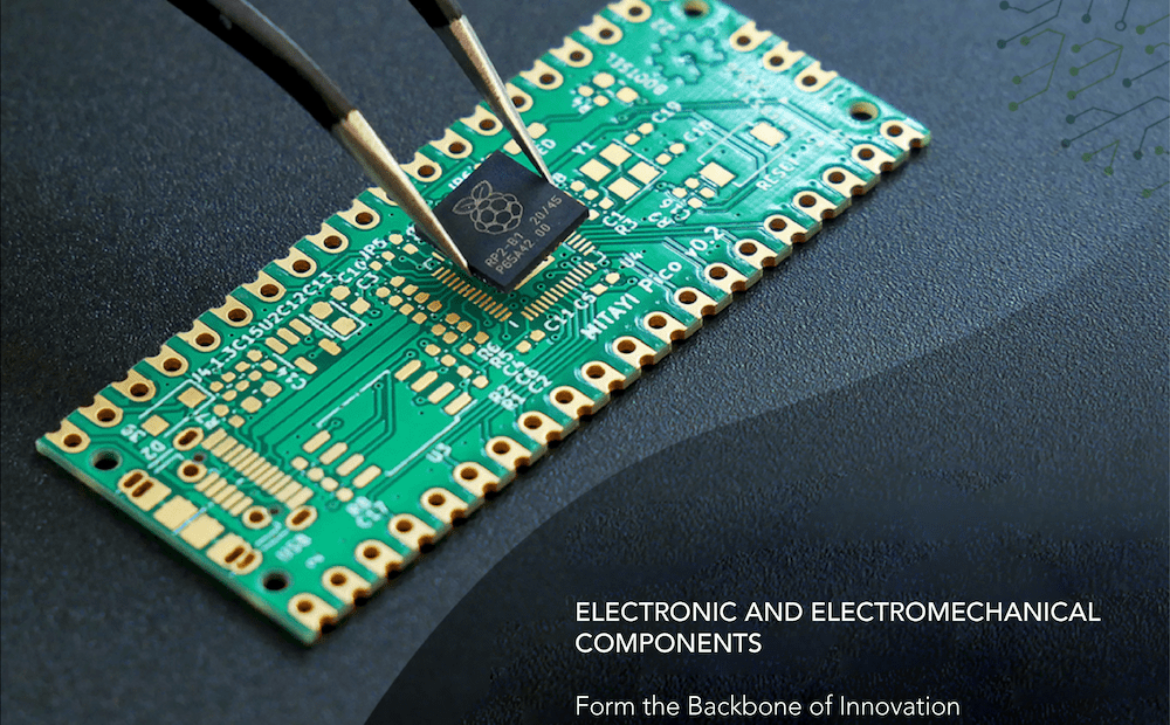
Electronic and Electromechanical Components – A Complete Guide

In today's fast-paced technological landscape, electronic and electromechanical components are the building blocks of innovation. From complex circuits to precision mechanisms, components power the devices and systems that shape our modern world.

Electronics play an indispensable role, from the convenience of smartphones to the functionality of household appliances. At the heart of these technological marvels, you'll find complex electronic components, each performing specific tasks to build the intricate systems we rely on.

This comprehensive guide is essential for engineers, designers, and decision makers across all industries to understand the importance, functionality, and impact of electronic and electromechanical components.

Read on to learn more!

Electronic and electromechanical components are the backbone of innovation

These vital components include a wide range of devices, from microchips and resistors to motors and sensors, each of which plays a crucial role in powering our everyday devices and driving technological advances. 

Electronic components

Electronic components include a wide range of devices designed to manipulate electrical signals or perform specific functions within electronic circuits.

From passive components, such as resistors and capacitors, to active components, such as transistors and integrated circuits, each serves a unique purpose in the functionality of electronic systems. 

Resistors regulate the flow of current, capacitors store and release electrical energy, while transistors act as amplifiers or switches, shaping the flow of electronic signals.

Electromechanical components

In contrast, electromechanical components integrate electrical and mechanical functions to perform various tasks. 

These components include motors, relays, switches, and solenoids, among others. 

Motors convert electrical energy into mechanical motion, driving everything from industrial machinery to consumer appliances. 

Relays act as electrical switches, controlling the flow of current within circuits, while switches and solenoids provide mechanisms for user interaction and automation.

The significance of electronic and electromechanical components and their far-reaching impact on various industries

1.Foundation of modern technology

  • Electronic and electromechanical components serve as the building blocks for countless devices we encounter every day. From smartphones and laptops to medical devices and industrial machinery, electronic components are the foundation of modern technology.
  • Without them, our interconnected world would not function efficiently.

2.Functionality and Precision

  • Each component has a specific role, whether it is a resistor that regulates the flow of current, a capacitor that stores energy, or a microcontroller that manages complex tasks.
  • Their precision ensures uninterrupted operation, both in consumer electronics and critical infrastructure.

3. Innovation and Progress

  • Ongoing research and development in this field is leading to breakthroughs. New materials, miniaturization, and increased efficiency are driving innovation.
  • The components enable advances in renewable energy, automation, and communications systems.

4. Quality and reliability

  • Components affect the quality, safety and longevity of the product.
  • Rigorous testing ensures reliability, especially in critical industries like aerospace and healthcare.

5. Sustainability and limited environmental impact

  • Efficient components reduce energy consumption and contribute to sustainability.
  • Recycling and responsible disposal are essential to minimizing environmental impact.

The applications of electronic and electromechanical components span a multitude of sectors

SectorApplications of Electronic ComponentsApplications of electromechanical components
Self-propelled systemsCheck engine performance, manage safety features, and enable connectivity functions.Power vehicle systems, facilitate precise control mechanisms, and operate motors and actuators.
Aerospace and defense sectorCritical roles in navigation systems, communications devices, and avionics equipment.Ensure precise operation of flight controls, landing gear, and propulsion systems.
Healthcare/Medical SectorEnable the functionality of medical devices, monitoring equipment, and diagnostic tools.It regulates the flow of fluids in medical devices and automated systems, supporting patient care and treatment processes.
TelecommunicationsThey form the basis of communications systems, including routers, switches, and transceivers.Facilitate signal transmission and reception, enable seamless connectivity in wired and wireless networks.

How to choose the right component?

Selecting the right electronic and electromechanical components is essential to the success of any project or application. Factors such as performance specifications, reliability, and environmental considerations must be carefully evaluated to ensure compatibility and longevity.

When purchasing components, it is essential to work with trusted suppliers and distributors. 

Established distributors offer a full range of electronic and electromechanical components, backed by years of industry experience and a commitment to quality and reliability. 

At PC Components Europe , we have over 20 years of experience (since 2001) and a vast network of manufacturers and suppliers, allowing us to provide customized solutions in line with the specific needs of each project.

Our commitment to excellence ensures optimum performance and cost efficiency .

We meet your needs with a mix of quality and timeliness!

Electronic and electromechanical components in different colors


At PC Components Europe, we know that having the right components is crucial to success.

Our commitment to providing high-quality ensures your projects are powered efficiently and on schedule.

Our expertise lies in the complex world of electronics and electromechanical components, ensuring we can effectively drive your business growth. Contact us today to get high-quality components delivered in record time! (3-4 days or 7-10 days depending on the parts' location worldwide).

READ MORE
Recent Posts
  • XC7A100T: A Complete Guide to the AMD/Xilinx Artix-7 FPGA
    XC7A100T: A Complete Guide to the AMD/Xilinx Artix-7 FPGA
    November 29, 2024
  • FPGAs for AI: Why AI Applications Are Driving Demand for FPGAs
    FPGAs for AI: Why AI Applications Are Driving Demand for FPGAs
    October 30, 2024
  • 6 Types of Semiconductor Devices and Their Applications
    6 Types of Semiconductor Devices and Their Applications
    October 11, 2024
Categories
  • Components10
  • Events1
  • Industry News10
  • Quality and certifications4
  • Resources5
Tags
Semiconductor companies, electronics manufacturing service companies, Active Components , Electrical Components , Electromechanical Components , Electronic Components, Electronic and Electromechanical Components , Passive Components, PC Components in Europe Component Distributors , Semiconductor Solutions
PCE PC components Europe

Pc Components Europe Srl
VAT number
06785921005 Share capital €50,000.00

About Us
Services
Products
Quality
Certifications
Electronic Components Distributor in Italy

Company Policy
Privacy Policy
Cookie Policy
Contacts
FAQ

  • Via Orazio Raimondo, 47 Rome
  • +39.06.7696.8780
Linkedin Youtube